
Expanding Education Choice Initiatives
Advancing State-Level Public Policy
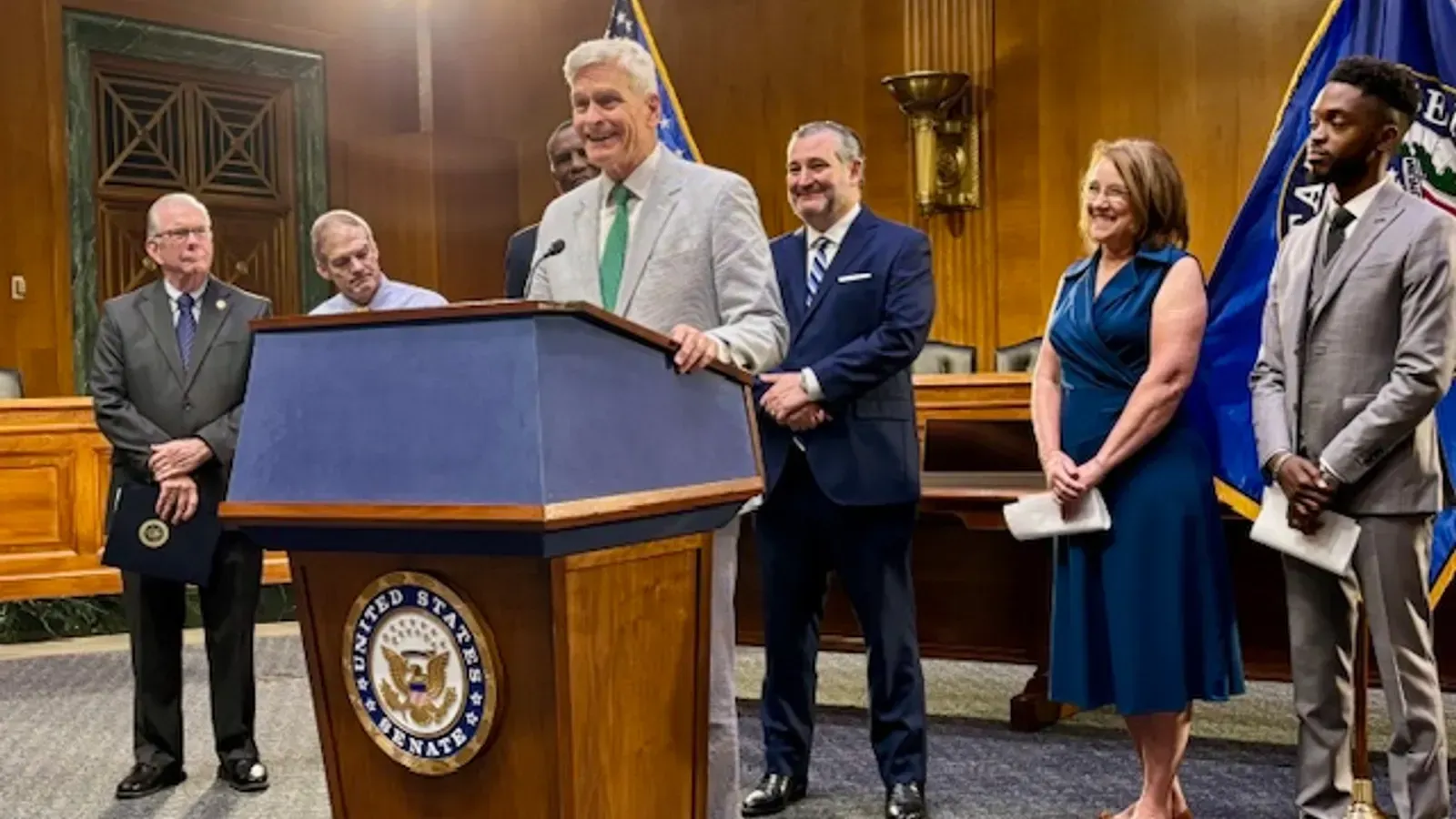
CEP acts as a direct advocate in state legislatures to design, introduce, and pass robust school choice policies. They focus on expanding mechanisms like Education Savings Accounts, vouchers, and state-level tax credit scholarship programs that allow public dollars to follow students to the school of their choice.
Building Broad Advocacy Coalitions
CEP brings together critical stakeholders who hold influence in the education space. We actively partner with state Catholic conferences, Bishops, diocesan clergy, school administrators, and grassroots parent groups to create a unified, organized voice when pushing for legislative change.
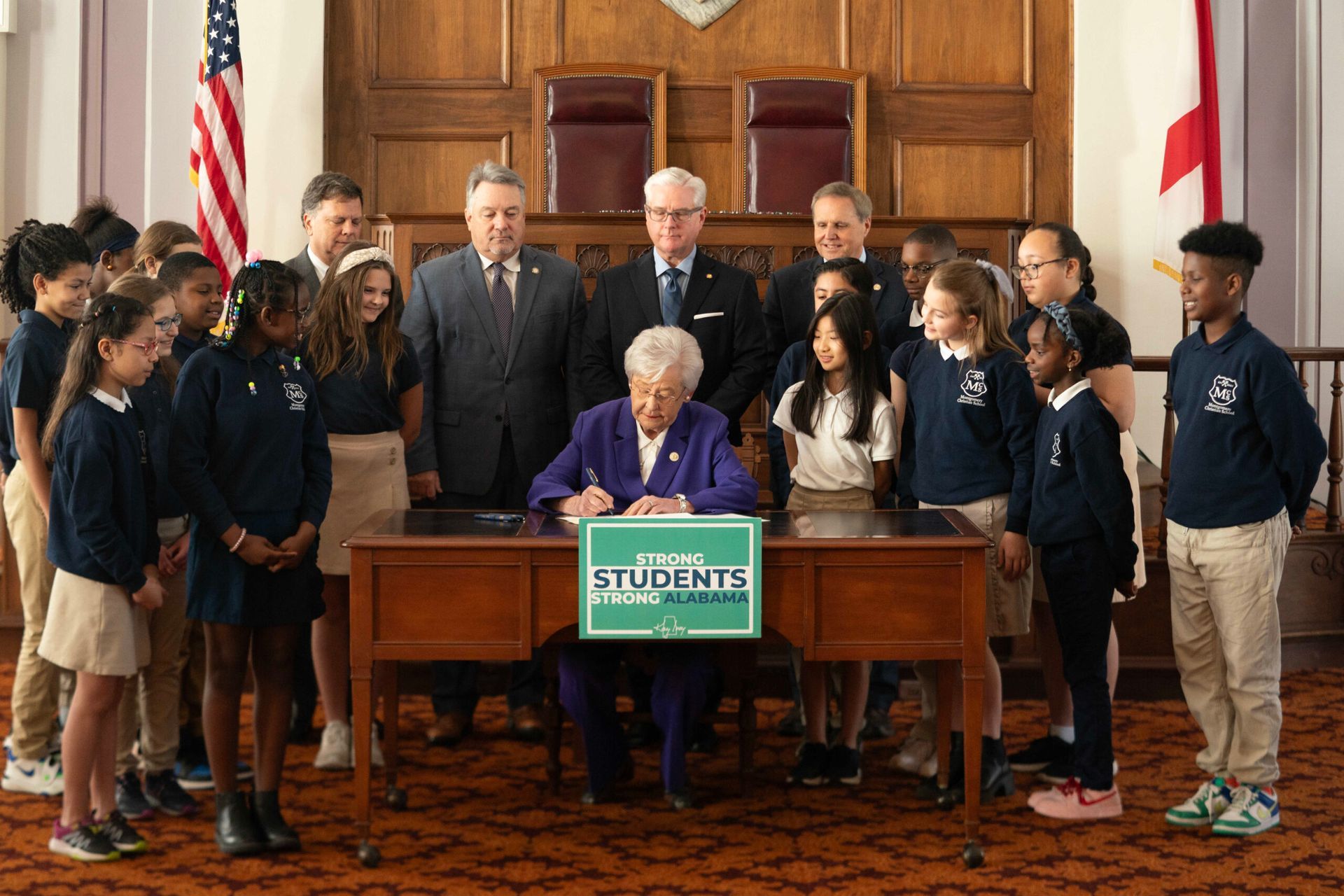
Over the last few years, we have been involved in and made important contributions in several states, either playing a subsidiary role to the local Catholic leadership or in many cases directly representing the bishops’ interests where they lack an official policy voice. Check out some of our proud accomplishments below.
Our Accomplishments:
- Alabama - We have recently secured the permission of the bishops of Alabama to officially represent them in the education choice coalition and legislative efforts. This will give the Alabama Catholic community an official role and voice at the table to shape legislation going forward.
- Georgia - CEP played an active role in the coalition in Georgia and were able to influence the final legislative text to include CEP religious liberty language. The bill did pass the Georgia Senate for the first time ever and we were able to move the Governor from a soft-support position to a vocal advocate role.
- Maryland - In the 2023 session Maryland faced the possible loss of their school choice program, which would have been the first program in the nation to be eliminated legislatively. The BOOST Program was under threat by the newly elected Democratic governor with support from the House. CEP worked with the Maryland Catholic Conference, and several state and national partners, to get the Senate to fight for the program in budget negotiations and save this small but important program.
- Nebraska - We worked closely with the Nebraska Catholic conference for several years, including meeting with legislators and other influencers to educate them on education choice policies and the Catholic position. Nebraska chalked up a victory this year passing their first education choice program.
- South Carolina - Our team worked with the South Carolina Catholic Conference for several years on the effort to pass an expanded education savings account program, including providing advice, language and advocacy talking points for the effort. The bill passed and was enacted in 2023.
- Utah - The state of Utah has only one diocese and no state Catholic conference. We were invited to advise state Catholic leadership and assist in representing them in the choice coalition. Utah became the first state in 2023 to pass a universal ESA with a very generous $8000 per student. Our religious liberty language was also adopted in the final version of the law, and we were able to influence the legislation in other ways to protect the autonomy and integrity of Catholic schools.
- West Virginia - CEP represented the state Catholic Conference and the Bishop of West Virginia in the coalition that passed the most expansive ESA in the country in 2021. CEP played a major role in finally bringing the support of the Catholic community for the choice effort. Due to this involvement, we were able to insist on the strongest religious liberty language, (which has now become standard language in most laws passed since 2021), for the WV program.
Our role in shaping legislation: As mentioned above in reference to several states, the language that CEP helped develop and write has been adopted by several states for their choice law. Further, it has become somewhat of the standard used in other states when drafting their choice legislation going forward to protect the autonomy and religious liberty of schools and families. We have also been able to ensure that non-public schools are not burdened with other onerous regulations when participating in choice programs.